Savings2 min read
A rooftop system does not need a battery to save you money. With net metering, the grid works like a store for the power you do not use straight away.
What a net meter does
An ordinary meter only counts units you take from the grid. A net meter counts in both directions: units you import when your panels are not enough, and units you export when they produce more than you are using.
How your bill is worked out
During the day your panels power your home first and send any extra to the grid. At night you draw from the grid as usual. At billing time, exported units are subtracted from imported units.
If you imported 250 units and exported 150 in a month, you are billed for 100 units. Fixed charges on your bill still apply.
Getting a net meter
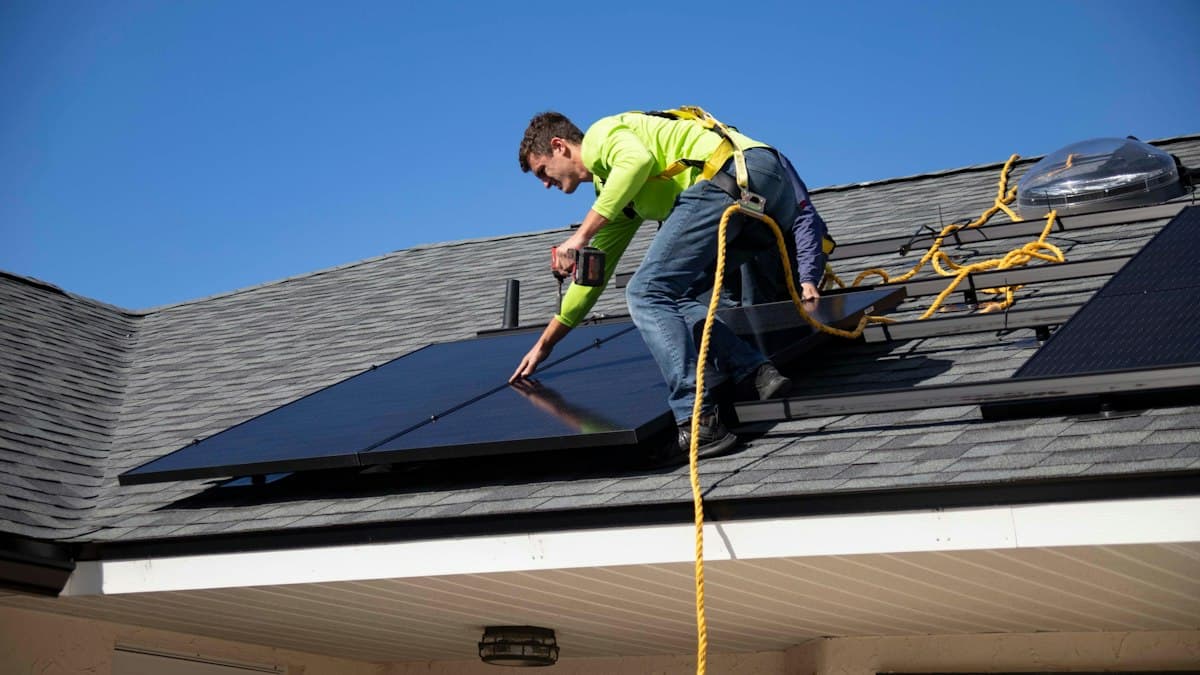
The net meter is applied for along with your rooftop solar application. Under PM Surya Ghar, your electricity company (DISCOM) fits it after installation, then inspects and commissions the system.
Any surplus left over at the end of a billing period is settled according to your DISCOM's rules.